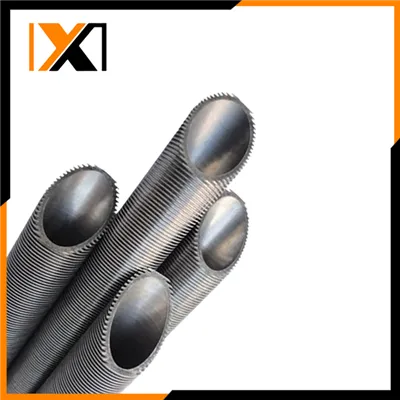
Hey there! As a stainless steel tube supplier, I've seen firsthand how important it is to store these tubes properly to prevent damage. Stainless steel tubes are a versatile and valuable product, used in a wide range of industries from construction to manufacturing. But if they're not stored correctly, they can end up getting scratched, dented, or even corroded, which can reduce their lifespan and affect their performance. In this blog post, I'll share some tips on how to store stainless steel tubes to keep them in top condition.
Choose the Right Storage Location
The first step in storing stainless steel tubes is to choose the right location. You want to find a place that's dry, clean, and well-ventilated. Moisture is one of the biggest enemies of stainless steel, as it can cause corrosion. So, avoid storing the tubes in areas that are prone to flooding or high humidity, like basements or near water sources.

It's also a good idea to keep the tubes away from direct sunlight and extreme temperatures. Exposure to sunlight can cause the surface of the stainless steel to discolor over time, while extreme heat or cold can affect the structural integrity of the tubes. A climate-controlled storage facility is ideal, but if that's not an option, try to find a shaded area that's protected from the elements.
Prepare the Storage Area
Before you start storing the stainless steel tubes, you need to prepare the storage area. First, clean the area thoroughly to remove any dirt, debris, or chemicals that could potentially damage the tubes. You can use a mild detergent and water to clean the surface, and then dry it completely.
Next, you'll want to create a stable and level surface for the tubes to rest on. You can use wooden pallets or racks to elevate the tubes off the ground and prevent them from coming into contact with any moisture or contaminants. Make sure the pallets or racks are in good condition and can support the weight of the tubes.
Organize the Tubes
Once the storage area is ready, it's time to organize the stainless steel tubes. You can group the tubes by size, grade, or application to make them easier to find and access. Label each group clearly so you know exactly what you have in storage.
When stacking the tubes, be careful not to stack them too high or too tightly. Overstacking can cause the tubes at the bottom to become deformed or damaged under the weight of the others. Leave some space between the tubes to allow for air circulation and prevent the build-up of moisture.
Protect the Tubes
To further protect the stainless steel tubes from damage, you can use some additional protective measures. For example, you can wrap the tubes in plastic or paper to prevent scratches and abrasions. You can also use end caps or plugs to protect the ends of the tubes from dirt, dust, and moisture.
If you're storing the tubes for an extended period of time, you may want to consider applying a protective coating to the surface of the tubes. There are various types of coatings available, such as wax or oil-based coatings, that can help prevent corrosion and keep the tubes looking their best.
Inspect the Tubes Regularly
Even if you've taken all the necessary precautions to store the stainless steel tubes properly, it's still important to inspect them regularly. Check for any signs of damage, such as scratches, dents, or corrosion. If you notice any issues, take immediate action to address them.
You can also perform some basic maintenance tasks, such as cleaning the tubes and checking the protective coatings, to keep them in good condition. Regular inspections and maintenance can help you catch any problems early on and prevent them from getting worse.
Consider the Handling Process
In addition to proper storage, it's also important to consider the handling process when dealing with stainless steel tubes. When moving the tubes, use appropriate lifting equipment, such as cranes or forklifts, to avoid dropping or damaging them. Make sure the lifting equipment is in good working condition and that the operators are trained and experienced.
When transporting the tubes, secure them properly to prevent them from shifting or moving around. You can use straps or chains to hold the tubes in place and prevent them from colliding with each other or other objects during transit.
Conclusion
Storing stainless steel tubes properly is essential to prevent damage and ensure their longevity. By choosing the right storage location, preparing the storage area, organizing the tubes, protecting them, inspecting them regularly, and considering the handling process, you can keep your stainless steel tubes in top condition.
If you're in the market for high-quality stainless steel tubes, we've got you covered. We offer a wide range of products, including Hot Rolled Stainless Steel Pipe 304, Customized High Quality Stainless Steel Fluid Conveying Pipes, and China Stainless Steel Tube 304 Pipe Stainless Steel. Our tubes are made from the finest materials and are manufactured to the highest standards.
If you have any questions or would like to discuss your specific requirements, don't hesitate to reach out. We're here to help you find the perfect stainless steel tubes for your project.
References
- "Stainless Steel Handbook" by ASM International
- "Corrosion Resistance of Stainless Steels" by George S. Frankel