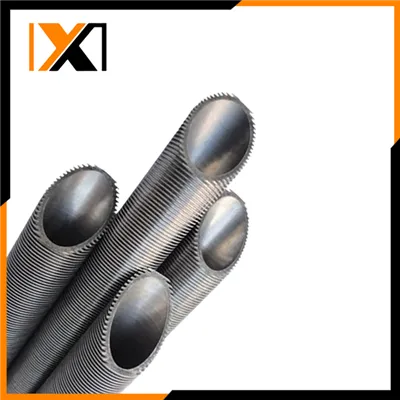
As a trusted copper tube supplier, I've witnessed firsthand the challenges that winter brings to copper tube systems. Freezing temperatures can cause significant damage to copper tubes, leading to leaks, bursts, and costly repairs. In this blog post, I'll share some effective strategies to prevent copper tubes from freezing during the cold winter months.
Understanding the Risk of Freezing
Before we delve into prevention methods, it's essential to understand why copper tubes are at risk of freezing. Water expands when it freezes, and this expansion can create immense pressure within the tubes. If the pressure exceeds the tube's capacity, it can cause the tube to burst. Additionally, repeated freezing and thawing cycles can weaken the tube's structure over time, increasing the likelihood of leaks.
Insulation: The First Line of Defense
One of the most effective ways to prevent copper tubes from freezing is to insulate them properly. Insulation acts as a barrier, reducing heat loss from the tubes and keeping the water inside at a temperature above freezing. Here are some insulation materials and techniques you can use:
- Foam Insulation: Foam insulation is a popular choice for insulating copper tubes. It comes in pre-slit tubes that can be easily wrapped around the pipes. Foam insulation provides excellent thermal resistance and is relatively inexpensive. You can find foam insulation at most hardware stores.
- Fiberglass Insulation: Fiberglass insulation is another option for insulating copper tubes. It is more flexible than foam insulation and can be used in hard-to-reach areas. However, fiberglass insulation requires careful handling as the fibers can be irritating to the skin and lungs.
- Pipe Heating Tape: Pipe heating tape is an electrical heating element that can be wrapped around the copper tubes. It provides a constant source of heat, preventing the water inside the tubes from freezing. Pipe heating tape is easy to install and can be controlled with a thermostat.
Maintain a Steady Temperature
In addition to insulation, it's important to maintain a steady temperature in the areas where the copper tubes are located. Here are some tips to help you keep the temperature stable:
- Keep the Heat On: Even if you're going away for a short period, it's important to keep the heat on in your home or building. Set the thermostat to a temperature above freezing, preferably around 55°F (13°C).
- Seal Leaks and Drafts: Check for any leaks or drafts around windows, doors, and pipes. Seal them with caulk or weatherstripping to prevent cold air from entering the building.
- Open Cabinet Doors: If the copper tubes are located in cabinets or closets, open the doors to allow warm air to circulate around the pipes. This can help prevent the water inside the tubes from freezing.
Drain Unused Pipes
If you have copper tubes that are not in use during the winter months, it's a good idea to drain them to prevent freezing. Here's how you can do it:
- Turn Off the Water Supply: Locate the main water shut-off valve and turn it off. This will stop the flow of water into the pipes.
- Open Faucets and Drains: Open all the faucets and drains in the building to allow the water to drain out of the pipes. You may need to use a bucket or a hose to collect the water.
- Use an Air Compressor: If you have an air compressor, you can use it to blow out any remaining water from the pipes. This will help ensure that all the water is removed from the system.
Install a Pressure Relief Valve
A pressure relief valve is a safety device that can help prevent copper tubes from bursting due to excessive pressure. It is installed on the water supply line and releases water when the pressure inside the pipes exceeds a certain level. Here's how a pressure relief valve works:
- Detects High Pressure: The pressure relief valve has a spring-loaded mechanism that detects when the pressure inside the pipes exceeds a pre-set limit.
- Releases Water: When the pressure reaches the limit, the valve opens, allowing water to escape from the pipes. This reduces the pressure inside the pipes and prevents them from bursting.
- Resets Automatically: Once the pressure drops below the limit, the valve closes automatically, allowing the water supply to resume.
Regular Maintenance and Inspection
Regular maintenance and inspection of your copper tube system are essential to prevent freezing and other problems. Here are some maintenance tasks you should perform:
- Check for Leaks: Inspect the copper tubes regularly for any signs of leaks, such as water stains or drips. If you find a leak, repair it immediately to prevent further damage.
- Clean the Tubes: Over time, sediment and debris can accumulate inside the copper tubes, reducing the flow of water and increasing the risk of freezing. You can clean the tubes by flushing them with water or using a pipe cleaner.
- Test the Pressure Relief Valve: Periodically test the pressure relief valve to ensure that it is working properly. You can do this by lifting the lever on the valve and allowing some water to escape. If the valve does not release water or if it continues to leak after the lever is released, it may need to be replaced.
Conclusion
Preventing copper tubes from freezing in winter requires a combination of insulation, temperature control, and regular maintenance. By following the tips outlined in this blog post, you can protect your copper tube system from the damaging effects of freezing temperatures.


As a copper tube supplier, I offer a wide range of high-quality copper tubes, including Copper Square Tube, Copper Hemp Tube, and Copper High Performance Evaporating Tube. If you have any questions or need assistance with your copper tube needs, please don't hesitate to contact me. I'm here to help you find the right solutions for your project.
References
- "Preventing Frozen Pipes." U.S. Department of Energy.
- "How to Insulate Pipes to Prevent Freezing." Family Handyman.
- "Pipe Heating Tape: How to Install and Use." The Spruce.