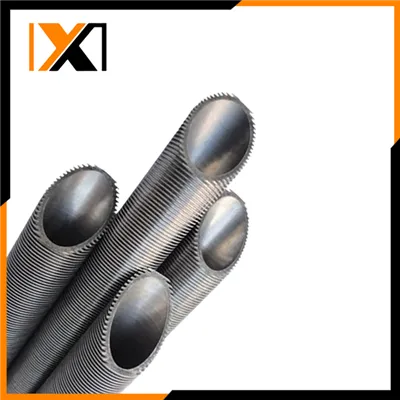
Optimizing the design of stainless steel U-shaped tubes for a specific application is a multi-faceted process that requires a deep understanding of both the application's requirements and the unique properties of stainless steel. As a stainless steel U-shaped tube supplier, I have had the privilege of working on various projects, each with its own set of challenges and opportunities. In this blog post, I will share some insights on how to approach this optimization process effectively.
Understanding the Specific Application
The first step in optimizing the design of stainless steel U-shaped tubes is to have a clear understanding of the specific application. Different applications have different requirements in terms of temperature, pressure, fluid type, and flow rate. For example, in a heat exchanger application, the tubes need to have high thermal conductivity to ensure efficient heat transfer. On the other hand, in a chemical processing application, the tubes need to be resistant to corrosion from the chemicals involved.
Let's take a closer look at some common applications and their requirements:
- Heat Exchangers: Heat exchangers are widely used in various industries, such as power generation, chemical processing, and HVAC systems. In a heat exchanger, the U-shaped tubes are used to transfer heat between two fluids. The design of the tubes needs to be optimized to maximize the heat transfer coefficient while minimizing the pressure drop. This can be achieved by choosing the right tube diameter, wall thickness, and surface finish. For more information on high-performance tubes for heat exchangers, you can visit our Stainless Steel High Performance Condensing Tube page.
- Evaporators: Evaporators are used to convert a liquid into a vapor. In a pool boiling evaporator, the U-shaped tubes are immersed in a liquid pool, and the heat is transferred from the tubes to the liquid, causing it to boil. The design of the tubes needs to be optimized to enhance the boiling heat transfer coefficient. This can be achieved by using tubes with a special surface treatment, such as micro-fins or porous coatings. You can find more details about our Stainless Steel Pool Boiling Evaporator Tube1 on our website.
- Refrigeration Systems: Refrigeration systems use U-shaped tubes to transfer heat between the refrigerant and the surrounding environment. The design of the tubes needs to be optimized to ensure efficient heat transfer and minimize the energy consumption of the system. This can be achieved by using tubes with a high thermal conductivity and a low resistance to fluid flow. Our Stainless Steel Inner Grooved Tube is a great option for refrigeration applications.
Material Selection
The choice of stainless steel material is crucial in optimizing the design of U-shaped tubes. Different grades of stainless steel have different properties, such as corrosion resistance, mechanical strength, and thermal conductivity. The selection of the material depends on the specific application requirements.
- Corrosion Resistance: In applications where the tubes are exposed to corrosive fluids or environments, it is important to choose a stainless steel grade with high corrosion resistance. For example, in a chemical processing plant, tubes made of austenitic stainless steels, such as 304 and 316, are commonly used due to their excellent resistance to a wide range of chemicals.
- Mechanical Strength: The mechanical strength of the stainless steel is also an important consideration, especially in applications where the tubes are subjected to high pressures or stresses. Ferritic and martensitic stainless steels generally have higher mechanical strength than austenitic stainless steels, but they may have lower corrosion resistance.
- Thermal Conductivity: In heat transfer applications, the thermal conductivity of the stainless steel is a key factor. Austenitic stainless steels have relatively low thermal conductivity compared to other metals, such as copper and aluminum. However, by choosing the right tube design and surface treatment, the heat transfer performance can be improved.
Tube Design Parameters
Once the application requirements and the material have been determined, the next step is to optimize the tube design parameters. The following are some of the key design parameters that need to be considered:
- Tube Diameter: The tube diameter affects both the heat transfer coefficient and the pressure drop. A smaller tube diameter generally results in a higher heat transfer coefficient but a higher pressure drop. The optimal tube diameter needs to be determined based on the specific application requirements.
- Wall Thickness: The wall thickness of the tube affects its mechanical strength and corrosion resistance. A thicker wall thickness provides higher mechanical strength and better corrosion resistance, but it also increases the cost and reduces the heat transfer performance.
- Bend Radius: The bend radius of the U-shaped tube is an important design parameter, especially in applications where the tubes need to be installed in a limited space. A smaller bend radius allows for a more compact design, but it may also increase the pressure drop and reduce the flow rate.
- Surface Finish: The surface finish of the tube can have a significant impact on the heat transfer performance. A smooth surface finish reduces the friction between the fluid and the tube wall, resulting in a lower pressure drop. On the other hand, a rough surface finish can enhance the heat transfer coefficient by increasing the surface area available for heat transfer.
Manufacturing Process
The manufacturing process of the stainless steel U-shaped tubes also plays an important role in optimizing their design. The following are some of the key manufacturing processes that need to be considered:


- Tube Forming: The tube forming process involves bending the straight tubes into U-shaped tubes. The bending process needs to be carefully controlled to ensure that the tubes have the correct bend radius and shape. Any defects in the bending process, such as wrinkles or cracks, can affect the performance of the tubes.
- Welding: In some applications, the U-shaped tubes need to be welded to other components, such as headers or manifolds. The welding process needs to be carefully selected and controlled to ensure that the welds have high quality and integrity. Any defects in the welding process, such as porosity or lack of fusion, can lead to leaks or failures.
- Surface Treatment: The surface treatment of the tubes can be used to enhance their performance. For example, a passivation treatment can be used to improve the corrosion resistance of the stainless steel, while a heat treatment can be used to improve the mechanical properties of the tubes.
Testing and Quality Control
After the tubes have been manufactured, they need to be tested to ensure that they meet the design requirements. The following are some of the key tests that need to be performed:
- Pressure Testing: Pressure testing is used to check the integrity of the tubes and ensure that they can withstand the specified pressure without leaking. The tubes are typically tested at a pressure higher than the operating pressure to ensure a safety margin.
- Leak Testing: Leak testing is used to detect any leaks in the tubes. There are several methods available for leak testing, such as the bubble test, the helium mass spectrometer test, and the pressure decay test.
- Non-Destructive Testing: Non-destructive testing methods, such as ultrasonic testing, radiographic testing, and magnetic particle testing, can be used to detect any internal defects in the tubes, such as cracks or voids.
Conclusion
Optimizing the design of stainless steel U-shaped tubes for a specific application is a complex process that requires a deep understanding of the application requirements, the material properties, and the manufacturing process. By following the steps outlined in this blog post, you can ensure that the tubes are designed and manufactured to meet the highest standards of quality and performance.
If you are interested in learning more about our stainless steel U-shaped tubes or have a specific application that requires custom tube design, please feel free to contact us for a consultation. Our team of experts is ready to assist you in finding the best solution for your needs.
References
- Incropera, F. P., & DeWitt, D. P. (2002). Fundamentals of Heat and Mass Transfer. John Wiley & Sons.
- ASM Handbook Committee. (1990). ASM Handbook: Properties and Selection: Irons, Steels, and High-Performance Alloys. ASM International.
- Tubes in Heat Exchangers - Design and Applications. (n.d.). Retrieved from [Website URL]