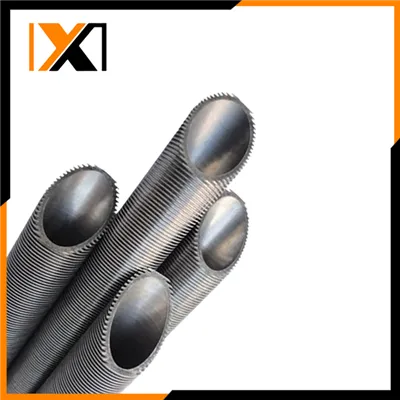
Stainless steel tubes are widely used in various industries due to their durability, corrosion resistance, and aesthetic appeal. As a stainless steel tube supplier, I understand the importance of maintaining the quality and appearance of these tubes. Regular cleaning not only enhances the visual appeal but also extends the lifespan of the tubes by preventing corrosion and damage. In this blog post, I will share some effective methods on how to clean a stainless steel tube.
Understanding the Properties of Stainless Steel
Before diving into the cleaning process, it's essential to understand the properties of stainless steel. Stainless steel is an alloy primarily composed of iron, chromium, and nickel. The chromium in stainless steel forms a thin, invisible layer of chromium oxide on the surface, which protects the metal from corrosion. However, this protective layer can be damaged by certain chemicals, abrasive materials, or environmental factors. Therefore, it's crucial to use the right cleaning methods and products to avoid damaging the surface of the stainless steel tube.
Pre - cleaning Preparation
- Safety First: Wear appropriate protective gear such as gloves and safety glasses to protect yourself from any cleaning agents or debris.
- Inspect the Tube: Check the tube for any signs of damage, such as scratches, dents, or rust spots. If there are any severe damages, it may require special treatment or replacement.
- Remove Loose Debris: Use a soft - bristle brush or a dry cloth to remove any loose dirt, dust, or debris from the surface of the tube. This step will prevent scratching the surface during the cleaning process.
Cleaning Methods
Mild Cleaning for General Dirt
For light dirt and fingerprints, a mild cleaning solution can be used.
- Prepare the Cleaning Solution: Mix a few drops of mild dish soap with warm water in a bucket. The dish soap should be free of harsh chemicals, bleach, or abrasives.
- Apply the Solution: Dip a soft sponge or cloth into the soapy water and gently wipe the surface of the stainless steel tube. Use long, straight strokes in the direction of the grain of the stainless steel. The grain is the pattern on the surface of the tube, and cleaning in this direction will prevent scratching and leave a more uniform finish.
- Rinse Thoroughly: After wiping the entire tube, rinse it with clean water to remove any soap residue. Use a clean cloth or a hose to ensure all the soap is washed away.
- Dry the Tube: Use a dry, soft cloth to dry the tube completely. This will prevent water spots from forming on the surface.
Removing Stubborn Stains
For more stubborn stains, such as grease, oil, or rust, a stronger cleaning solution may be required.
- Vinegar Solution: Vinegar is a natural and effective cleaning agent for stainless steel. Mix equal parts of white vinegar and water in a spray bottle. Spray the solution onto the stained area and let it sit for a few minutes. Then, use a soft cloth or sponge to gently scrub the stain. Rinse the area with clean water and dry it thoroughly.
- Baking Soda Paste: Make a paste by mixing baking soda with a small amount of water. Apply the paste to the stain using a soft cloth or sponge. Gently rub the paste into the stain in a circular motion. Baking soda is a mild abrasive that can help remove stubborn stains without scratching the surface. Rinse the area with water and dry it.
- Commercial Stainless Steel Cleaners: There are many commercial stainless steel cleaners available on the market. Choose a cleaner that is specifically designed for stainless steel and follow the manufacturer's instructions. These cleaners are formulated to remove tough stains and leave a protective layer on the surface of the tube.
Dealing with Rust
Although stainless steel is resistant to rust, it can still develop rust spots under certain conditions.
- Use a Rust Remover: There are rust removers available that are safe for stainless steel. Apply the rust remover to the affected area according to the product instructions. Let it sit for the recommended time, then use a soft brush or cloth to scrub away the rust. Rinse the area thoroughly with water and dry it.
- Prevent Future Rust: To prevent future rusting, make sure the tube is dry after cleaning and avoid exposing it to environments with high humidity or corrosive chemicals. You can also apply a stainless steel protectant to the surface of the tube to provide an extra layer of protection.
Post - cleaning Maintenance
- Regular Inspections: Periodically inspect the stainless steel tube for any signs of dirt, stains, or damage. Early detection can prevent more serious problems from developing.
- Avoid Harsh Chemicals and Abrasives: As mentioned earlier, harsh chemicals and abrasive materials can damage the protective layer of the stainless steel. Avoid using products such as bleach, ammonia, or steel wool on the tube.
- Store Properly: If the tube is not in use, store it in a dry, clean place. Avoid stacking heavy objects on top of the tube to prevent dents and scratches.
Our Product Range
As a stainless steel tube supplier, we offer a wide range of high - quality stainless steel tubes. Our Customized High Quality Stainless Steel Fluid Conveying Pipes are designed to meet the specific requirements of different industries. They are made from premium materials and are highly resistant to corrosion and wear.
Our Hot Rolled Stainless Steel Pipe 304 is another popular product. It has excellent mechanical properties and is suitable for various applications, including construction, automotive, and manufacturing.

We also provide China Stainless Steel Tube 304 Pipe Stainless Steel, which is known for its high quality and competitive price. These tubes are widely used in different industries around the world.
Contact Us for Purchasing
If you are interested in our stainless steel tubes or have any questions about cleaning or maintenance, please feel free to contact us. We are committed to providing our customers with the best products and services. Whether you need a small quantity for a DIY project or a large order for an industrial application, we can meet your needs. Let's start a discussion on how we can serve your stainless steel tube requirements.
References
- "Stainless Steel Handbook" by ASM International
- "Corrosion Resistance of Stainless Steels" by Robert Baboian