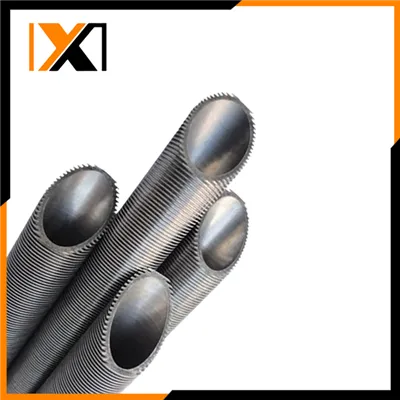
Acoustic performance plays a pivotal role in determining the suitability of various products in different scenarios. As a supplier of titanium ordinary low fin tubes, understanding how acoustic performance impacts applications is crucial for both product development and customer satisfaction. In this blog, we will explore the relationship between acoustic performance and the application of titanium ordinary low fin tubes in several key scenarios.
Acoustic Performance Basics
Before delving into specific applications, it is essential to understand what acoustic performance entails. Acoustic performance refers to how a material or product interacts with sound waves. This interaction can involve sound absorption, sound insulation, and sound reflection. Sound absorption is the ability of a material to convert sound energy into heat energy, reducing the amount of sound that is reflected back into the environment. Sound insulation, on the other hand, is the ability of a material to prevent sound from passing through it. Sound reflection occurs when sound waves bounce off a surface.
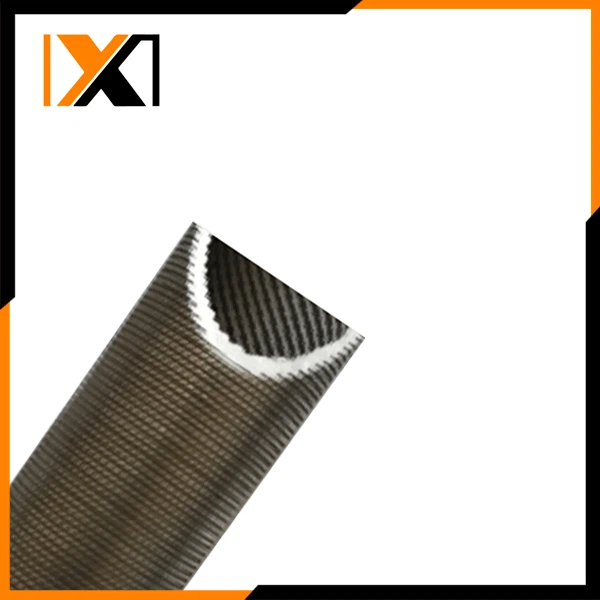
The acoustic performance of titanium ordinary low fin tubes is influenced by several factors, including the material properties of titanium, the design of the fins, and the overall structure of the tube. Titanium is known for its excellent mechanical properties, such as high strength and corrosion resistance. These properties also contribute to its acoustic performance. The fins on the tube can affect the way sound waves interact with the tube, either by increasing sound absorption or by altering the sound reflection pattern.
Applications in HVAC Systems
One of the primary applications of titanium ordinary low fin tubes is in heating, ventilation, and air conditioning (HVAC) systems. In HVAC systems, acoustic performance is of utmost importance for several reasons. Firstly, HVAC systems are often installed in residential, commercial, and industrial buildings, where noise levels need to be kept to a minimum to ensure the comfort of occupants. Secondly, the efficiency of HVAC systems can be affected by acoustic performance. For example, excessive noise can indicate problems such as vibrations or air leaks, which can reduce the system's energy efficiency.
In HVAC systems, titanium ordinary low fin tubes can be used in condensers and evaporators. The acoustic performance of these tubes can help to reduce the noise generated by the HVAC system. The fins on the tubes can act as sound absorbers, reducing the amount of sound that is radiated from the system. Additionally, the smooth surface of titanium can help to reduce air turbulence, which can also contribute to noise reduction.
When considering the use of titanium ordinary low fin tubes in HVAC systems, it is important to choose tubes with the appropriate acoustic performance characteristics. For example, in applications where noise reduction is a top priority, tubes with high sound absorption coefficients may be preferred. Titanium High Performance Condensing Tube and Titanium High Performance Evaporating Tube are two products that offer excellent acoustic performance and are suitable for HVAC applications.
Applications in Industrial Processes
Titanium ordinary low fin tubes are also widely used in various industrial processes, such as chemical processing, power generation, and food and beverage production. In industrial settings, acoustic performance can have a significant impact on worker safety and productivity. Excessive noise levels can cause hearing damage, stress, and fatigue among workers, which can lead to accidents and reduced productivity.
In industrial processes, titanium ordinary low fin tubes can be used in heat exchangers, condensers, and evaporators. The acoustic performance of these tubes can help to reduce the noise generated by the industrial equipment. For example, in a chemical processing plant, the use of titanium ordinary low fin tubes with good sound insulation properties can help to prevent the noise from the processing equipment from spreading to other areas of the plant.
In addition to noise reduction, the acoustic performance of titanium ordinary low fin tubes can also provide valuable information about the operation of industrial equipment. For example, changes in the acoustic signature of a heat exchanger can indicate problems such as fouling or leaks. By monitoring the acoustic performance of the tubes, operators can detect these problems early and take appropriate measures to prevent equipment failure.
Applications in Marine Environments
The marine environment presents unique challenges for the use of materials due to the harsh conditions, such as saltwater corrosion and high levels of vibration. Titanium ordinary low fin tubes are well-suited for marine applications due to their excellent corrosion resistance and mechanical properties. In addition, their acoustic performance can also be beneficial in marine environments.
In marine vessels, titanium ordinary low fin tubes can be used in seawater cooling systems, condensers, and evaporators. The acoustic performance of these tubes can help to reduce the noise generated by the vessel's machinery, which can improve the comfort of passengers and crew. The fins on the tubes can also help to reduce the vibration of the tubes, which can further contribute to noise reduction.
When using titanium ordinary low fin tubes in marine environments, it is important to consider the specific acoustic requirements of the application. For example, in a naval vessel, where stealth is a priority, tubes with low sound reflection properties may be preferred. Titanium Pipe Seamless Tube With Titanium Tube Price is a product that offers excellent corrosion resistance and acoustic performance, making it suitable for marine applications.
Considerations for Choosing Titanium Ordinary Low Fin Tubes
When choosing titanium ordinary low fin tubes for a specific application, it is important to consider several factors related to acoustic performance. Firstly, the sound absorption coefficient of the tubes should be considered. A higher sound absorption coefficient indicates better sound absorption performance. Secondly, the sound insulation properties of the tubes should be evaluated. Tubes with good sound insulation properties can prevent sound from passing through them, which is important in applications where noise reduction is a priority.
In addition to acoustic performance, other factors such as the thermal performance, corrosion resistance, and mechanical properties of the tubes should also be considered. These factors are interrelated and can affect the overall performance of the tubes in a given application.

Conclusion
In conclusion, the acoustic performance of titanium ordinary low fin tubes has a significant impact on their application in various scenarios, including HVAC systems, industrial processes, and marine environments. By understanding the relationship between acoustic performance and application requirements, customers can choose the most suitable tubes for their specific needs.
As a supplier of titanium ordinary low fin tubes, we are committed to providing high-quality products with excellent acoustic performance. Our team of experts can help you select the right tubes for your application and provide technical support throughout the procurement process. If you are interested in learning more about our products or would like to discuss your specific requirements, please feel free to contact us for a procurement discussion.
References
- Incropera, F. P., DeWitt, D. P., Bergman, T. L., & Lavine, A. S. (2007). Fundamentals of Heat and Mass Transfer. John Wiley & Sons.
- Kays, W. M., Crawford, M. E., & Weigand, B. (2005). Convective Heat and Mass Transfer. McGraw-Hill.
- White, F. M. (2006). Fluid Mechanics. McGraw-Hill.