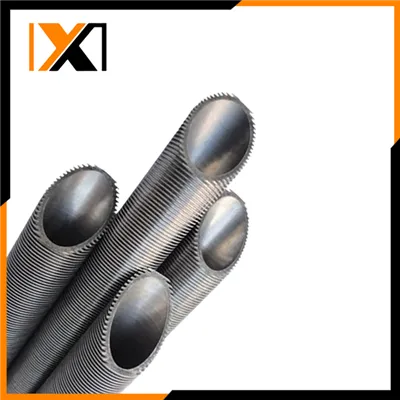
Hey there! As a stainless steel tube supplier, I often get asked if stainless steel tubes can be used for food-grade applications. Well, the short answer is yes, but there's a lot more to it than that. So, let's dive in and explore this topic in detail.
Why Stainless Steel?
First off, let's talk about why stainless steel is such a great choice for food applications. Stainless steel is an alloy made up of iron, chromium, and sometimes other elements like nickel and molybdenum. The chromium in stainless steel forms a thin, invisible layer of chromium oxide on the surface of the metal. This layer is what gives stainless steel its corrosion resistance.
In the food industry, corrosion resistance is crucial. Food and beverages can be acidic or alkaline, and over time, these substances can corrode metals, leading to contamination of the food and potentially harmful health effects. Stainless steel's ability to resist corrosion means that it won't react with the food it comes into contact with, keeping the food safe and free from contamination.

Another advantage of stainless steel is its durability. It can withstand high temperatures, pressure, and mechanical stress without deforming or breaking. This makes it suitable for use in a wide range of food processing equipment, from pipes and valves to tanks and cookware.
Food-Grade Stainless Steel Standards
Not all stainless steel is created equal when it comes to food-grade applications. There are specific standards and regulations that define what constitutes food-grade stainless steel. In the United States, the Food and Drug Administration (FDA) sets the standards for materials that come into contact with food. In Europe, the European Food Safety Authority (EFSA) and the European Union (EU) have similar regulations.
The most common grades of stainless steel used in food-grade applications are 304 and 316. Grade 304 stainless steel contains 18% chromium and 8% nickel, while grade 316 contains 16% chromium, 10% nickel, and 2% molybdenum. The molybdenum in grade 316 gives it better corrosion resistance in harsh environments, such as those with high salt content or acidic conditions.
These grades of stainless steel are also non-porous, which means that they don't absorb food particles or bacteria. This makes them easy to clean and sanitize, which is essential in the food industry to prevent the growth of harmful microorganisms.
Applications of Stainless Steel Tubes in the Food Industry
Stainless steel tubes are used in a variety of food-grade applications. One of the most common uses is in fluid conveying systems. Customized High Quality Stainless Steel Fluid Conveying Pipes are used to transport liquids such as water, milk, juice, and beer from one part of a processing plant to another. The smooth interior surface of the tubes ensures that the fluids flow easily and without any blockages, while the corrosion resistance of the stainless steel prevents contamination of the fluids.
Stainless steel tubes are also used in heat exchangers, which are used to transfer heat from one fluid to another. In the food industry, heat exchangers are used for processes such as pasteurization, sterilization, and cooling. The high thermal conductivity of stainless steel makes it an ideal material for heat exchangers, as it allows for efficient heat transfer.
In addition, stainless steel tubes are used in food processing equipment such as mixers, blenders, and filling machines. These tubes are used to transport ingredients and finished products within the equipment, and their durability and corrosion resistance ensure that they can withstand the rigors of continuous use.
Our Stainless Steel Tube Offerings
As a stainless steel tube supplier, we offer a wide range of products that are suitable for food-grade applications. Our China Stainless Steel Tube 304 Pipe Stainless Steel is made from high-quality grade 304 stainless steel, which meets the strictest food-grade standards. It is available in a variety of sizes and thicknesses to meet the specific needs of our customers.
We also offer Hot Rolled Stainless Steel Pipe 304, which is ideal for applications that require high strength and durability. Our hot-rolled pipes are produced using a state-of-the-art manufacturing process that ensures consistent quality and performance.
Quality Control and Certification
At our company, we take quality control very seriously. We have a strict quality control system in place to ensure that all of our stainless steel tubes meet the highest standards of quality and safety. Our products are tested and certified by independent third-party laboratories to ensure that they comply with the relevant food-grade standards and regulations.
We also offer customization services to meet the specific needs of our customers. Whether you need a custom size, shape, or finish, our team of experts can work with you to develop a solution that meets your requirements.
Conclusion
So, to answer the question, yes, stainless steel tubes can definitely be used for food-grade applications. Their corrosion resistance, durability, and ease of cleaning make them an ideal choice for the food industry. As a stainless steel tube supplier, we are committed to providing our customers with high-quality products that meet the strictest food-grade standards.
If you're in the market for stainless steel tubes for your food-grade applications, we'd love to hear from you. Contact us today to discuss your requirements and learn more about our products and services. We're here to help you find the perfect solution for your business.
References
- Food and Drug Administration (FDA). (n.d.). Food Contact Substances. Retrieved from [FDA Website]
- European Food Safety Authority (EFSA). (n.d.). Food Contact Materials. Retrieved from [EFSA Website]
- European Union (EU). (n.d.). Regulation (EC) No 1935/2004 on Materials and Articles Intended to Come into Contact with Food. Retrieved from [EU Website]