Can copper ordinary low fin tube be used in air - conditioning systems?
As a supplier of copper ordinary low fin tubes, I often get asked whether these tubes can be effectively used in air - conditioning systems. In this blog, I'll delve into the characteristics of copper ordinary low fin tubes, analyze their suitability for air - conditioning applications, and provide some insights based on industry knowledge and practical experience.
Characteristics of Copper Ordinary Low Fin Tubes
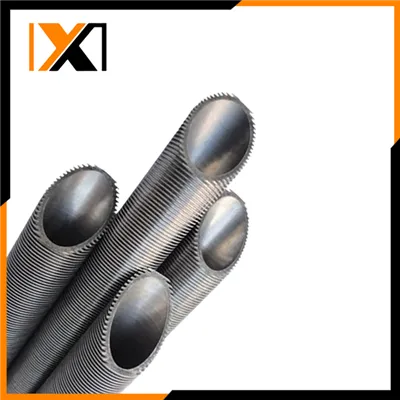
Copper ordinary low fin tubes are known for several key features. Firstly, copper is an excellent conductor of heat. It has a high thermal conductivity, which means it can transfer heat quickly and efficiently. This property is crucial in any heat - exchange process, such as those that occur in air - conditioning systems. The low fin design on the outer surface of the tube further enhances the heat - transfer area. The fins increase the surface area available for heat exchange between the refrigerant inside the tube and the air outside, thereby improving the overall heat - transfer efficiency.
Secondly, copper is a durable material. It has good corrosion resistance, which is essential in air - conditioning systems where the tubes may be exposed to various environmental conditions and chemicals in the refrigerant. This corrosion resistance helps to ensure the long - term reliability and performance of the tubes, reducing the risk of leaks and system failures.
Another advantage of copper ordinary low fin tubes is their flexibility. They can be easily bent and formed into different shapes, which is beneficial during the installation process in air - conditioning units. This flexibility allows for more compact and efficient designs of the heat - exchanger components.
Suitability for Air - Conditioning Systems
Evaporator and Condenser Applications
In air - conditioning systems, the evaporator and condenser are two critical components where heat exchange takes place. The evaporator absorbs heat from the indoor air, cooling it down, while the condenser releases the heat to the outdoor environment. Copper ordinary low fin tubes are well - suited for both of these applications.
In the evaporator, the high thermal conductivity of copper and the increased surface area provided by the fins allow for rapid heat absorption from the air. This results in more efficient cooling of the indoor air. The refrigerant inside the tubes can boil more effectively, and the enhanced heat - transfer rate helps to maintain a consistent temperature in the conditioned space.
For the condenser, the tubes can quickly transfer the heat from the refrigerant to the outdoor air. The fins on the tubes increase the contact area with the air, facilitating better heat dissipation. This improves the overall performance of the air - conditioning system, reducing energy consumption and increasing the system's cooling capacity.
Energy Efficiency
Energy efficiency is a major concern in modern air - conditioning systems. Copper ordinary low fin tubes contribute significantly to improving the energy efficiency of these systems. The improved heat - transfer efficiency means that the air - conditioning unit can achieve the desired cooling or heating effect with less energy input. This not only reduces the operating costs for the end - user but also has environmental benefits by reducing energy consumption and greenhouse gas emissions.
Compatibility with Refrigerants
Most common refrigerants used in air - conditioning systems are compatible with copper. Copper ordinary low fin tubes can work well with refrigerants such as R - 410A, R - 134a, etc. The corrosion resistance of copper ensures that there is no chemical reaction between the tube material and the refrigerant, maintaining the integrity of the system.
Comparison with Other Tube Types
When compared to other types of tubes used in air - conditioning systems, such as smooth - surface copper tubes and other materials like aluminum tubes, copper ordinary low fin tubes have distinct advantages.
Smooth - surface copper tubes, although also made of copper and having good thermal conductivity, lack the enhanced surface area provided by the fins. This means that their heat - transfer efficiency is lower compared to copper ordinary low fin tubes. You can learn more about Smooth Surface Copper Tube in Coil.
Aluminum tubes are lighter and less expensive than copper tubes. However, they have lower thermal conductivity and are more prone to corrosion. In air - conditioning systems where long - term reliability and high - performance heat exchange are required, copper ordinary low fin tubes are often the preferred choice.
Real - World Applications and Case Studies
In many real - world air - conditioning installations, copper ordinary low fin tubes have proven to be reliable and effective. For example, in large commercial air - conditioning systems for office buildings, the use of these tubes has resulted in improved cooling performance and reduced energy consumption. The enhanced heat - transfer efficiency has allowed for smaller and more compact heat - exchanger designs, saving space in the building.
In residential air - conditioning units, copper ordinary low fin tubes have also been widely used. Homeowners have reported better temperature control and lower electricity bills due to the improved energy efficiency of the systems.


Other Related Copper Tube Products
Apart from copper ordinary low fin tubes, we also offer other related copper tube products that may be of interest for air - conditioning applications. For instance, IGT Copper Tube in Coil provides another option with its own unique features. These tubes can be used in specific air - conditioning designs where different tube characteristics are required.
Another product is the Copper Pool Boiling Evaporator Tube. This tube is specifically designed for evaporator applications and may offer even higher heat - transfer performance in certain situations.
Conclusion
In conclusion, copper ordinary low fin tubes are highly suitable for air - conditioning systems. Their high thermal conductivity, corrosion resistance, flexibility, and enhanced heat - transfer efficiency make them an ideal choice for both evaporator and condenser applications. They contribute to the energy efficiency, reliability, and performance of air - conditioning units.
If you are in the market for high - quality tube solutions for your air - conditioning systems, we invite you to contact us for more information. Our team of experts can provide detailed technical support and help you select the most appropriate tube products for your specific needs. Whether you are a manufacturer of air - conditioning equipment or a contractor involved in air - conditioning installations, we are here to assist you in making the right choice.
References
- Incropera, F. P., & DeWitt, D. P. (2002). Fundamentals of Heat and Mass Transfer. Wiley.
- ASHRAE Handbook - Refrigeration (2017). American Society of Heating, Refrigerating and Air - Conditioning Engineers.
- Copper Development Association. (2019). Copper in HVACR Systems: A Technical Guide.