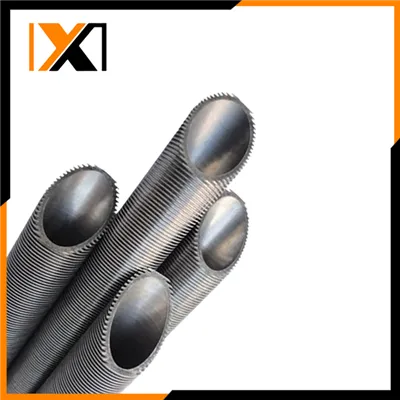
Hey there! As a supplier of copper inner grooved tubes, I've been getting a lot of questions lately about whether these tubes can be used in medical equipment. Well, let's dive right into it and explore this topic together.
First off, let's talk a bit about what copper inner grooved tubes are. These tubes have inner grooves that increase the surface area inside the tube. This design feature has some pretty cool benefits, like improving heat transfer efficiency. You see, in many applications where heat needs to be exchanged, these tubes can do the job way better than regular smooth - walled tubes.
Now, when it comes to medical equipment, there are some strict requirements. Medical devices need to be safe, reliable, and often have to meet specific standards set by regulatory bodies. So, can copper inner grooved tubes fit the bill?
One of the key areas in medical equipment where copper inner grooved tubes could potentially be used is in cooling systems. Many medical devices generate a lot of heat during operation, such as MRI machines, laser surgical equipment, and some types of diagnostic devices. Efficient cooling is crucial to keep these machines working properly and to prevent overheating, which could lead to malfunctions or even damage to the equipment.

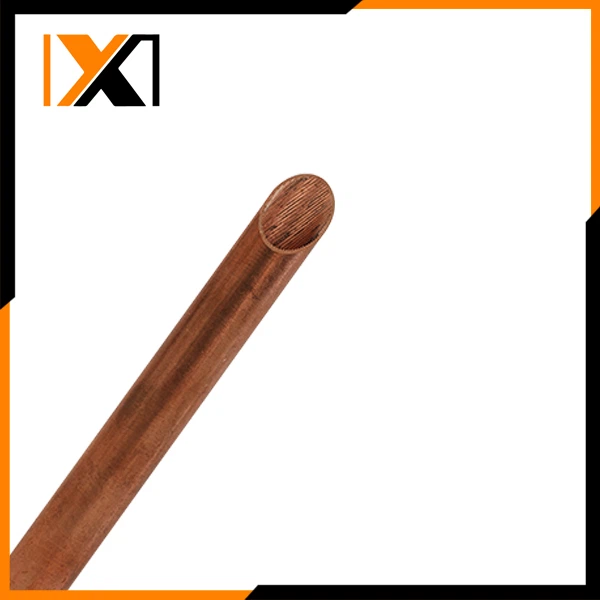
Copper is a great material for heat transfer. It has high thermal conductivity, which means it can quickly move heat from one place to another. The inner grooves in the copper tubes further enhance this heat - transfer ability. For example, in a cooling system of an MRI machine, the copper inner grooved tubes could be used to carry a coolant. The increased surface area provided by the grooves allows for more efficient heat exchange between the coolant and the hot components of the machine. This helps to keep the temperature of the machine within the safe operating range.
Another aspect to consider is the compatibility of copper with biological materials. In some medical applications, the tubes might come into contact with bodily fluids or tissues. Copper has some antibacterial properties. It has been shown to kill a wide range of bacteria, including E. coli and Staphylococcus aureus. This can be a big advantage in medical settings where preventing the growth of bacteria is essential to avoid infections.
However, there are also some challenges and limitations. Copper can react with certain chemicals and substances. In a medical environment, the tubes need to be able to withstand the chemicals used in cleaning and disinfection processes. Some strong disinfectants might corrode the copper over time. So, proper coatings or treatments might be required to protect the copper tubes.
In addition, copper can release copper ions into the surrounding environment. While in small amounts, copper is an essential trace element for the human body, excessive exposure to copper ions can be toxic. So, if the tubes are used in applications where they come into direct contact with patients, strict safety measures need to be in place to ensure that the levels of copper ions released are within safe limits.
Let's also look at the manufacturing and quality control aspects. When using copper inner grooved tubes in medical equipment, the manufacturing process needs to be highly precise. The grooves need to be of consistent depth and width to ensure uniform heat transfer. Any defects in the tubes, such as cracks or uneven grooves, could affect the performance of the medical equipment. Stringent quality control measures are necessary to make sure that the tubes meet the high - quality standards required for medical applications.
Now, I'd like to mention some of the other copper tube products we offer. We have the Copper High Performance Fin Tube, which is designed for even more enhanced heat - transfer applications. The fins on these tubes increase the surface area even further, making them ideal for applications where extremely high heat - transfer efficiency is needed.
We also have the Copper Hemp Tube. This tube has a unique structure that combines the properties of copper with the flexibility and some other benefits of the hemp - like design. It could potentially be used in some medical applications where a bit more flexibility in the tubing is required.
And then there's the Copper Tube Direct Expansion. This type of tube is suitable for direct - expansion refrigeration systems, which are commonly used in some medical cooling applications.
In conclusion, copper inner grooved tubes have the potential to be used in medical equipment, especially in cooling systems. Their high thermal conductivity, antibacterial properties, and the enhanced heat - transfer ability provided by the inner grooves make them an attractive option. However, careful consideration needs to be given to issues such as chemical compatibility, ion release, and manufacturing quality control.
If you're in the medical equipment industry and are interested in exploring the use of copper inner grooved tubes or any of our other copper tube products, I'd love to have a chat with you. We can discuss your specific requirements and see how our products can fit into your applications. Whether you're looking for a reliable cooling solution for your medical devices or need a tube with antibacterial properties, we're here to help. So, don't hesitate to reach out for a procurement discussion.
References
- "Thermal Conductivity of Metals" - Journal of Materials Science
- "Antibacterial Properties of Copper" - International Journal of Antimicrobial Agents
- "Medical Device Cooling Systems: Design and Optimization" - Medical Engineering & Physics Journal