Can aluminium brass tube be used in combination with other materials?
In the realm of industrial materials, the versatility of aluminium brass tubes has been a game - changer for numerous applications. As a well - established aluminium brass tube supplier, I have witnessed firsthand the wide - ranging uses and the significant potential of combining these tubes with other materials. This blog delves into the possibilities, advantages, and considerations of such combinations.
Properties of Aluminium Brass Tubes
Aluminium brass tubes are primarily composed of copper, zinc, and a small percentage of aluminium. This alloy offers a unique set of properties that make it suitable for various industries. It has excellent corrosion resistance, especially in seawater, which makes it a popular choice in marine applications such as shipbuilding and offshore platforms. Aluminium brass also exhibits good thermal conductivity, high strength, and reasonable ductility, allowing it to be easily formed into different shapes.
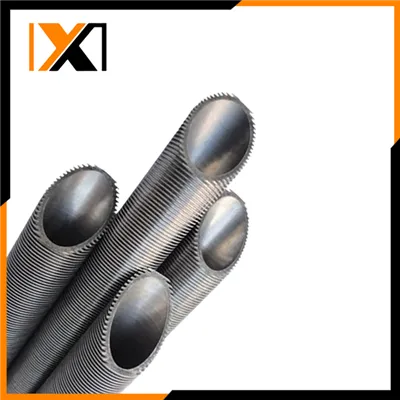
One of the key products we offer is the Aluminium Brass Hemp Tube, which is known for its reliable performance in specific working conditions. Another notable product is the Aluminium Brass High Performance Evaporating Tube, designed to meet the high - demand requirements of evaporation systems. Our Aluminium Brass Corrugated Tube further demonstrates the adaptability of aluminium brass, with its corrugated design enhancing heat transfer efficiency.
Combinations with Steel
Combining aluminium brass tubes with steel is a common practice in many industries. Steel is known for its high strength and durability, while aluminium brass offers corrosion resistance. In heat exchangers, for example, steel frames can provide the necessary structural support, while aluminium brass tubes are used for heat transfer. The combination allows for a more robust and long - lasting heat exchanger design.
However, when using these two materials together, it is crucial to consider galvanic corrosion. Since steel and aluminium brass have different electrochemical potentials, there is a risk of galvanic corrosion if they are in direct contact in the presence of an electrolyte, such as seawater. To mitigate this risk, insulating materials can be used between the two metals to prevent electrical contact. Additionally, proper surface treatments can be applied to both the steel and the aluminium brass tubes to enhance their corrosion resistance.
Combinations with Plastic
Plastic materials offer several advantages when combined with aluminium brass tubes. Plastics are lightweight, inexpensive, and can be easily molded into various shapes. In some applications, such as plumbing systems, plastic fittings can be used in conjunction with aluminium brass tubes. The plastic fittings can provide a cost - effective and easy - to - install solution, while the aluminium brass tubes offer better durability and corrosion resistance in the long run.
For instance, in a water supply system, plastic pipes can be connected to aluminium brass tubes using appropriate connectors. The plastic pipes can be used for the distribution of water in areas where weight and cost are major concerns, while the aluminium brass tubes can be used in critical sections, such as near the water source or in areas exposed to harsh environmental conditions.
One of the challenges in combining aluminium brass with plastic is ensuring a proper seal at the connection points. Different thermal expansion coefficients of plastic and aluminium brass can cause leaks over time due to temperature changes. Specialized connectors and sealing materials need to be used to address this issue.
Combinations with Titanium
Titanium is a high - performance metal known for its excellent corrosion resistance, high strength - to - weight ratio, and biocompatibility. Combining aluminium brass tubes with titanium can be beneficial in applications where extreme corrosion resistance and high strength are required, such as in chemical processing plants and aerospace applications.
In chemical processing, titanium components can be used in areas where the corrosive environment is particularly harsh, while aluminium brass tubes can be used in less - severe sections. This combination not only reduces the overall cost of the equipment but also ensures its long - term reliability.
However, one of the challenges of combining these two materials is the difference in their manufacturing processes and joining techniques. Welding titanium and aluminium brass is extremely difficult due to the formation of brittle intermetallic compounds. Instead, mechanical fastening methods or the use of appropriate adhesives may be necessary to connect the two materials.
Combinations with Rubber
Rubber is a flexible and elastic material that is often used in sealing applications. When combined with aluminium brass tubes, rubber can provide a reliable seal to prevent leakage of fluids or gases. In automotive and industrial applications, rubber gaskets are commonly used in connection with aluminium brass tubes.
The rubber gaskets can be easily customized to fit the specific shape and size of the aluminium brass tubes. They can also withstand a certain degree of temperature and pressure variations, ensuring the integrity of the system. However, the compatibility between rubber and aluminium brass needs to be carefully considered. Some types of rubber may react with the chemicals present in the environment or the aluminium brass itself, leading to degradation of the rubber material over time.


Advantages of Combining Aluminium Brass Tubes with Other Materials
- Cost - effectiveness: By using different materials in combination, it is possible to optimize the use of each material's properties while minimizing costs. For example, using less expensive plastic components in non - critical areas and high - performance aluminium brass tubes in crucial sections can significantly reduce the overall cost of the project.
- Enhanced performance: Different materials bring their own unique properties to the table. Combining aluminium brass tubes with other materials can result in a system or product with enhanced overall performance. For example, the combination of steel and aluminium brass in a heat exchanger can improve both the structural strength and the heat transfer efficiency.
- Extended service life: The corrosion resistance of aluminium brass can be complemented by other materials, further extending the service life of the product. For instance, in a marine application, the combination of aluminium brass with a protective coating or another corrosion - resistant material can prevent the tubes from being damaged by seawater for a longer period.
Considerations for Combining Aluminium Brass Tubes with Other Materials
- Compatibility: As mentioned earlier, it is essential to ensure the compatibility between aluminium brass and the other materials. This includes chemical compatibility to prevent corrosion and reaction, as well as physical compatibility such as thermal expansion and contraction.
- Joining methods: Selecting the right joining methods is crucial. Different materials may require different joining techniques, such as welding, soldering, mechanical fastening, or the use of adhesives. Choosing an inappropriate joining method can lead to weak connections or damage to the materials.
- Maintenance: The combination of different materials may require different maintenance procedures. It is important to develop a comprehensive maintenance plan to ensure the long - term performance and reliability of the product.
In conclusion, aluminium brass tubes can indeed be used in combination with other materials, and these combinations offer a wide range of benefits in various industries. As a supplier of aluminium brass tubes, I am committed to providing high - quality products and technical support to help our customers make the most of these combinations. Whether you are in the marine, chemical, automotive, or any other industry, we can work with you to find the optimal solution for your specific needs. If you are interested in exploring the possibilities of using aluminium brass tubes in combination with other materials, please feel free to contact us to start a procurement洽谈. We look forward to working with you to create innovative and efficient solutions.
References
- "Metals Handbook: Properties and Selection: Nonferrous Alloys and Pure Metals", ASM International.
- "Corrosion Inhibitors: Principles and Applications", Elsevier.
- "Materials Science and Engineering: An Introduction", John Wiley & Sons.