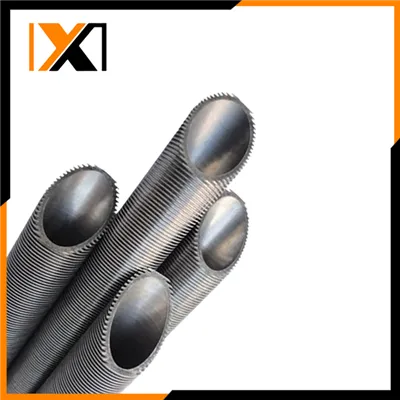
Can aluminium brass hemp tube be used in the chemical industry?
As a supplier of aluminium brass hemp tubes, I often get asked about the suitability of our products for use in the chemical industry. In this blog post, I'll explore the properties of aluminium brass hemp tubes and discuss their potential applications in the chemical sector.
Properties of Aluminium Brass Hemp Tubes
Aluminium brass is an alloy composed primarily of copper, zinc, and aluminium. The addition of aluminium to the brass alloy enhances its corrosion resistance, strength, and heat transfer properties. Hemp, on the other hand, is a natural fiber known for its high strength and durability. When combined, aluminium brass and hemp create a unique composite material with several advantageous properties.
Corrosion Resistance
One of the most significant advantages of aluminium brass hemp tubes in the chemical industry is their excellent corrosion resistance. Chemical processes often involve the use of aggressive chemicals, acids, and alkalis, which can cause rapid deterioration of many materials. Aluminium brass, however, forms a protective oxide layer on its surface when exposed to oxygen, which helps to prevent further corrosion. The addition of hemp fibers can also enhance the tube's resistance to abrasion and erosion, making it suitable for use in harsh chemical environments.
Strength and Durability
Aluminium brass hemp tubes are known for their high strength and durability. The combination of the strong aluminium brass alloy and the reinforcing hemp fibers results in a tube that can withstand high pressures and mechanical stresses. This makes them ideal for use in chemical processing equipment, such as heat exchangers, condensers, and reactors, where reliability and long service life are crucial.
Heat Transfer Properties
Another important property of aluminium brass hemp tubes is their good heat transfer characteristics. In the chemical industry, efficient heat transfer is essential for many processes, such as distillation, evaporation, and condensation. Aluminium brass has a relatively high thermal conductivity, which allows for effective heat transfer between the fluid inside the tube and the surrounding environment. The presence of hemp fibers can also help to improve the tube's heat transfer efficiency by enhancing the surface area available for heat exchange.

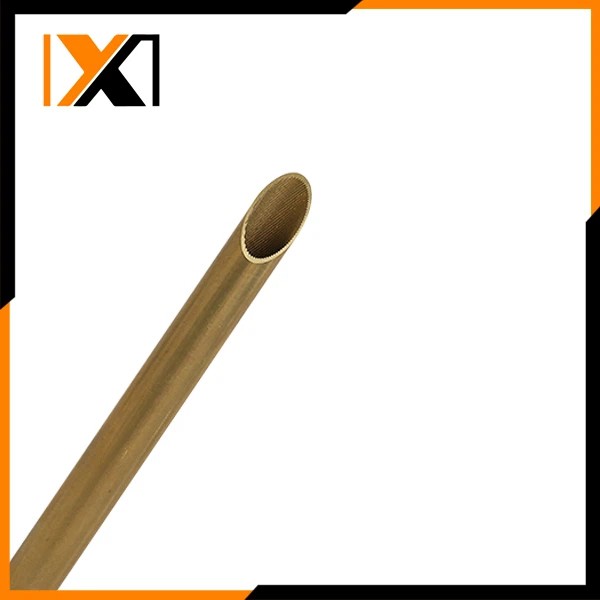
Applications in the Chemical Industry
Given their excellent corrosion resistance, strength, and heat transfer properties, aluminium brass hemp tubes have a wide range of potential applications in the chemical industry. Here are some examples:
Heat Exchangers
Heat exchangers are widely used in the chemical industry to transfer heat between two fluids. Aluminium brass hemp tubes can be used as the tubes in shell-and-tube heat exchangers, where they provide a reliable and efficient means of heat transfer. The corrosion resistance of the tubes ensures that they can withstand the aggressive chemicals and high temperatures typically encountered in chemical processes, while their high strength allows them to handle the pressure differentials involved.
For more information about our aluminium brass tubes suitable for heat exchangers, you can visit our product pages: En 12451 Cuzn20 Al2as Aluminium Brass Pipe C68700 and Aluminium Brass High Performance Evaporating Tube.
Condensers
Condensers are used to convert vapors into liquids by removing heat from the vapor. Aluminium brass hemp tubes can be used in condensers to provide efficient heat transfer and condensation of chemical vapors. The corrosion resistance of the tubes is particularly important in condensers, as they are often exposed to corrosive vapors and liquids. Our Aluminium Brass High Performance Condensing Tube is designed to meet the demanding requirements of condenser applications in the chemical industry.
Reactors
Reactors are vessels in which chemical reactions take place. Aluminium brass hemp tubes can be used in reactors to provide heating or cooling to the reaction mixture. The high strength and corrosion resistance of the tubes make them suitable for use in reactors operating at high temperatures and pressures. They can also be used to transport reactants and products in and out of the reactor, ensuring a reliable and efficient chemical process.
Piping Systems
Aluminium brass hemp tubes can also be used in chemical piping systems to transport various chemicals and fluids. Their corrosion resistance and durability make them a suitable choice for both above-ground and underground piping applications. The high strength of the tubes allows them to withstand the internal pressures and external loads associated with piping systems, while their good heat transfer properties can help to maintain the temperature of the transported fluids.
Considerations and Limitations
While aluminium brass hemp tubes offer many advantages for use in the chemical industry, there are also some considerations and limitations to keep in mind.
Compatibility with Chemicals
Although aluminium brass has good corrosion resistance, it may not be suitable for all chemicals. Some chemicals, such as certain types of sulfuric acid or ammonia, can react with aluminium brass and cause corrosion. It is important to carefully evaluate the compatibility of the tube material with the specific chemicals used in a particular application before making a selection.
Cost
Aluminium brass hemp tubes may be more expensive than some other materials commonly used in the chemical industry, such as carbon steel or stainless steel. However, their long service life, high performance, and reduced maintenance requirements can often offset the initial higher cost. When considering the cost of using aluminium brass hemp tubes, it is important to take into account the total cost of ownership over the life of the equipment.
Manufacturing and Installation
The manufacturing and installation of aluminium brass hemp tubes require specialized techniques and equipment. The tubes need to be fabricated to precise specifications to ensure their performance and reliability. Additionally, proper installation is crucial to prevent leaks and ensure the efficient operation of the equipment. It is recommended to work with experienced manufacturers and installers who have expertise in working with aluminium brass hemp tubes.
Conclusion
In conclusion, aluminium brass hemp tubes have significant potential for use in the chemical industry. Their excellent corrosion resistance, strength, durability, and heat transfer properties make them suitable for a wide range of applications, including heat exchangers, condensers, reactors, and piping systems. However, it is important to carefully consider the specific requirements of each application, including the compatibility with chemicals, cost, and manufacturing and installation considerations.
If you are interested in learning more about our aluminium brass hemp tubes or would like to discuss your specific requirements for the chemical industry, please feel free to contact us. We are a leading supplier of high-quality aluminium brass hemp tubes and have the expertise and experience to provide you with the best solutions for your chemical processing needs.
References
- ASM Handbook, Volume 2: Properties and Selection: Nonferrous Alloys and Special-Purpose Materials. ASM International.
- Corrosion Resistance of Metals and Alloys. L. L. Shreir, J. A. Jarman, and R. A. King (Eds.). Elsevier.