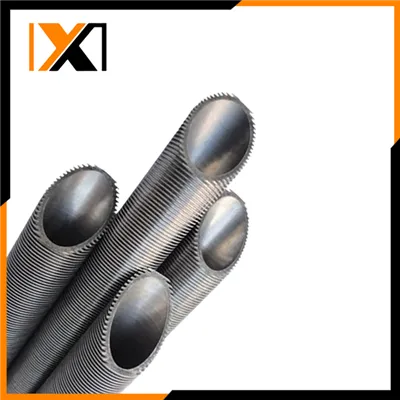
As a supplier of stainless steel hemp tubes, one of the most frequently asked questions I encounter is whether these tubes are rust-resistant. This question is crucial for customers as rust can significantly impact the performance, durability, and aesthetics of the tubes. In this blog post, I will delve into the science behind the rust resistance of stainless steel hemp tubes, explore the factors that can affect their resistance, and provide some practical tips on maintaining their quality.
The Science of Rust Resistance in Stainless Steel
Stainless steel is an alloy primarily composed of iron, chromium, and other elements such as nickel, molybdenum, and manganese. The key to its rust resistance lies in the presence of chromium. When chromium is exposed to oxygen in the air, it forms a thin, invisible layer of chromium oxide on the surface of the steel. This layer acts as a protective barrier, preventing oxygen and moisture from reaching the underlying iron and thus inhibiting the formation of rust.
For a steel alloy to be considered stainless, it must contain at least 10.5% chromium. As the chromium content increases, so does the rust resistance of the stainless steel. In addition to chromium, other elements like nickel and molybdenum can also enhance the corrosion resistance of stainless steel, making it suitable for use in more aggressive environments.
Rust Resistance of Stainless Steel Hemp Tubes
Stainless steel hemp tubes inherit the rust-resistant properties of stainless steel. Thanks to the protective chromium oxide layer, these tubes are highly resistant to rust and corrosion under normal conditions. They can withstand exposure to moisture, humidity, and mild chemicals without developing rust, making them an ideal choice for various applications, including in the hemp industry where they may come into contact with water and organic substances.
However, it's important to note that the rust resistance of stainless steel hemp tubes is not absolute. While they are generally more resistant to rust than other types of steel, certain factors can compromise their protective layer and increase the risk of rusting.
Factors Affecting Rust Resistance
Environmental Conditions
The environment in which the stainless steel hemp tubes are used plays a significant role in their rust resistance. In a clean, dry environment, the tubes are less likely to rust. However, in environments with high humidity, saltwater exposure, or the presence of corrosive chemicals, the protective chromium oxide layer can be damaged, leading to rust formation. For example, if the tubes are installed near the ocean, the salt in the air can accelerate the corrosion process.
Surface Contamination
Surface contamination can also affect the rust resistance of stainless steel hemp tubes. If the tubes are exposed to dirt, grease, or other contaminants, these substances can trap moisture and prevent the oxygen from reaching the surface of the steel, which is necessary for the formation and maintenance of the chromium oxide layer. As a result, the protective layer may break down, and rust may start to form.
Mechanical Damage
Scratches, dents, or other forms of mechanical damage can expose the underlying iron in the stainless steel, making it vulnerable to rust. When the protective chromium oxide layer is damaged, oxygen and moisture can reach the iron, initiating the rusting process. Therefore, it's important to handle the tubes with care during installation and use to avoid any damage.
Maintaining the Rust Resistance of Stainless Steel Hemp Tubes
To ensure the long-term rust resistance of stainless steel hemp tubes, proper maintenance is essential. Here are some practical tips:
Regular Cleaning
Regular cleaning is the most effective way to prevent surface contamination and maintain the protective chromium oxide layer. Use a mild detergent and a soft cloth to clean the tubes, and then rinse them thoroughly with clean water. Avoid using abrasive cleaners or tools that can scratch the surface of the tubes.
Protection from Harsh Environments
If the tubes are used in a harsh environment, such as near the ocean or in an industrial setting with corrosive chemicals, consider applying a protective coating or using a higher grade of stainless steel with enhanced corrosion resistance. For example, stainless steel with a higher molybdenum content is more resistant to pitting corrosion, which can occur in the presence of chloride ions.
Prompt Repair of Damage
If the tubes are damaged, it's important to repair them as soon as possible to prevent rust from forming. Small scratches can be repaired by using a stainless steel polish to restore the protective layer. For more severe damage, consult a professional to assess the situation and recommend the appropriate repair method.
Our Product Range
At our company, we offer a wide range of stainless steel hemp tubes with excellent rust resistance. Our products are made from high-quality stainless steel alloys, ensuring long-lasting performance and durability. In addition to stainless steel hemp tubes, we also supply other types of stainless steel tubes, such as Stainless Steel U-shaped Tube C12200, Stainless Steel Falling Film Evaporator Tube, and Stainless Steel U-shaped Tube. These products are designed to meet the specific needs of our customers and are suitable for a variety of applications.
Conclusion
In conclusion, stainless steel hemp tubes are generally rust-resistant due to the protective chromium oxide layer on their surface. However, their rust resistance can be affected by environmental conditions, surface contamination, and mechanical damage. By understanding these factors and taking appropriate maintenance measures, you can ensure the long-term performance and rust resistance of your stainless steel hemp tubes.


If you are interested in purchasing stainless steel hemp tubes or other stainless steel products, we invite you to contact us for more information. Our team of experts is ready to assist you in selecting the right products for your needs and providing you with professional advice on installation and maintenance.
References
- ASM Handbook Committee. (2004). ASM Handbook Volume 13A: Corrosion: Fundamentals, Testing, and Protection. ASM International.
- Kosec, M., & Mrvar, M. (2009). Influence of surface roughness on corrosion resistance of austenitic stainless steels. Materials and Corrosion, 60(11), 937-942.
- Uhlig, H. H., & Revie, R. W. (1985). Corrosion and Corrosion Control: An Introduction to Corrosion Science and Engineering. John Wiley & Sons.