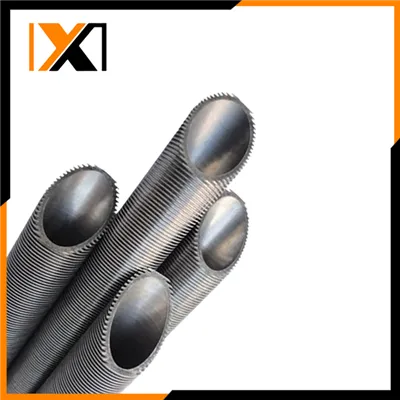
As a supplier of copper embossed tubes, one question that frequently arises from our customers is whether these tubes are prone to dents. This is a valid concern, especially considering the various applications where copper embossed tubes are used, such as in heat exchangers, refrigeration systems, and decorative installations. In this blog post, I will delve into the factors that influence the dent resistance of copper embossed tubes and provide insights to help you make informed decisions.
Understanding Copper Embossed Tubes
Copper embossed tubes are a type of copper tube that has a textured or patterned surface created through an embossing process. This process involves pressing a pattern onto the surface of the tube using a set of rollers or dies. The embossing not only adds aesthetic appeal but also enhances the tube's performance in certain applications. For example, in heat exchangers, the embossed pattern can increase the surface area, improving heat transfer efficiency.
Factors Affecting Dent Resistance
Several factors can influence the dent resistance of copper embossed tubes. Understanding these factors can help you assess the likelihood of dents occurring and take appropriate measures to prevent them.
1. Copper Alloy
The type of copper alloy used in the tube plays a significant role in its dent resistance. Different copper alloys have varying levels of hardness and ductility. For instance, pure copper (C10100) is relatively soft and malleable, making it more prone to dents compared to copper alloys with added elements such as zinc, tin, or phosphorus. Alloys like C12200, which contain small amounts of phosphorus, offer better strength and dent resistance. You can learn more about Copper Square Tube C12200 on our website.
2. Tube Wall Thickness
The thickness of the tube wall is another crucial factor. Thicker walls generally provide greater resistance to dents. When designing a system or selecting copper embossed tubes for a specific application, it's important to consider the expected mechanical stresses and choose a tube with an appropriate wall thickness. A thicker tube may be more suitable for applications where the tubes are likely to be exposed to impacts or rough handling.
3. Embossing Pattern
The design and depth of the embossing pattern can also affect dent resistance. A more aggressive or deep embossing pattern may create areas of reduced wall thickness or stress concentrations, making the tube more vulnerable to dents. On the other hand, a well-designed embossing pattern that distributes stress evenly can enhance the tube's overall strength and dent resistance. Our engineers carefully design the embossing patterns to balance aesthetics and performance, ensuring that our tubes meet the highest quality standards.
4. Handling and Installation
Proper handling and installation are essential to prevent dents in copper embossed tubes. During transportation and storage, the tubes should be protected from impacts and sharp objects. When installing the tubes, care should be taken to avoid excessive bending, twisting, or striking. Using appropriate tools and techniques can help minimize the risk of dents. For example, using soft-jawed pliers instead of hard metal tools can prevent surface damage.
Applications and Dent Susceptibility
The susceptibility of copper embossed tubes to dents can vary depending on the application. Let's take a look at some common applications and their associated risks.
1. Heat Exchangers
In heat exchangers, copper embossed tubes are often used to improve heat transfer efficiency. These tubes are typically installed in a controlled environment and are not usually exposed to significant mechanical impacts. However, during the manufacturing, installation, or maintenance process, there is a risk of dents occurring. To minimize this risk, strict quality control measures are implemented during production, and proper handling procedures are followed during installation. Our Copper Falling Film Evaporator Tube and Copper High Performance Evaporating Tube are designed to withstand the demands of heat exchanger applications while maintaining excellent dent resistance.
2. Refrigeration Systems
Refrigeration systems also rely on copper embossed tubes for efficient heat transfer. Similar to heat exchangers, these tubes are generally protected within the system. However, in some cases, such as during system repairs or maintenance, the tubes may be exposed to accidental impacts. To prevent dents, technicians should be trained to handle the tubes with care and use appropriate tools.
3. Decorative Installations
In decorative applications, copper embossed tubes are used for their aesthetic appeal. These tubes are often on display and may be more prone to accidental dents. To protect the tubes, they can be installed in a location where they are less likely to be bumped or struck. Additionally, protective coatings or guards can be applied to enhance their durability.
Preventive Measures
To minimize the risk of dents in copper embossed tubes, the following preventive measures can be taken:


- Proper Packaging: During transportation, the tubes should be packaged securely to protect them from impacts. This may include using cushioning materials and protective sleeves.
- Quality Control: Our manufacturing process includes strict quality control checks to ensure that the tubes are free from defects and have the required dent resistance.
- Training and Education: Provide training to installers and maintenance personnel on proper handling and installation techniques to prevent dents.
- Regular Inspections: Conduct regular inspections of the tubes to detect any signs of damage early and take appropriate action.
Conclusion
In conclusion, the susceptibility of copper embossed tubes to dents depends on several factors, including the copper alloy, tube wall thickness, embossing pattern, and handling and installation practices. By understanding these factors and taking appropriate preventive measures, the risk of dents can be minimized. As a supplier of high-quality copper embossed tubes, we are committed to providing products that meet the highest standards of quality and performance.
If you are considering using copper embossed tubes for your next project, we invite you to contact us for more information and to discuss your specific requirements. Our team of experts is ready to assist you in selecting the right tubes and providing guidance on installation and maintenance.
References
- ASM Handbook, Volume 2: Properties and Selection: Nonferrous Alloys and Special-Purpose Materials. ASM International.
- Copper Development Association. Copper and Copper Alloys: Properties, Applications, and Design.