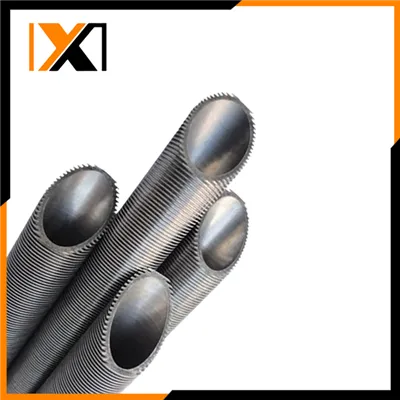
Can titanium corrugated tubes be used in nuclear power plants? That's a question that I, as a titanium corrugated tube supplier, get asked quite often. So, I thought I'd dive into this topic and share what I've learned.
First off, let's talk a bit about nuclear power plants. They're complex facilities that need materials that can handle some pretty extreme conditions. These include high temperatures, high pressures, and exposure to corrosive substances and radiation. So, when it comes to choosing the right components, like tubes, it's super important to pick something that can stand up to all of that.
Now, let's look at titanium corrugated tubes. Titanium is an amazing metal. It has a really high strength - to - weight ratio. That means it's strong, but also relatively light. This is a huge advantage in nuclear power plants, where weight can be a factor in design and construction. For example, lighter components can make it easier to install and maintain the equipment.
Another great property of titanium is its excellent corrosion resistance. In nuclear power plants, there are all sorts of fluids flowing through the tubes, some of which can be highly corrosive. Titanium can resist corrosion from many chemicals, including seawater. This is especially important if the power plant is located near the ocean and uses seawater for cooling. A tube that can resist corrosion will last longer, reducing the need for frequent replacements and maintenance.
The corrugated design of the tubes also adds some unique benefits. The corrugations increase the surface area of the tube, which can enhance heat transfer. In a nuclear power plant, efficient heat transfer is crucial. It helps in converting the heat generated by nuclear reactions into electricity. So, a titanium corrugated tube can potentially improve the overall efficiency of the power plant.
But it's not all sunshine and rainbows. There are some challenges when it comes to using titanium corrugated tubes in nuclear power plants. One of the main concerns is the high cost of titanium. Compared to other metals like steel, titanium is more expensive to produce and process. This can significantly increase the initial investment for the power plant.
Another issue is the potential for hydrogen embrittlement. In a nuclear environment, hydrogen can be produced as a by - product. If titanium is exposed to hydrogen for a long time, it can become brittle and lose its strength. This is a serious concern as it can lead to tube failures, which could have dangerous consequences in a nuclear power plant.


However, researchers and engineers have been working hard to address these challenges. For example, they're developing new manufacturing processes to reduce the cost of titanium. And they're also studying ways to prevent hydrogen embrittlement, such as using special coatings on the tubes.
Now, let's talk about some of the other types of titanium tubes that might be relevant in nuclear power plants. We have the Titanium Inner Grooved Tube. These tubes, with their inner grooves, can also enhance heat transfer. The grooves create turbulence in the fluid flowing through the tube, which helps in better heat exchange.
Then there are the Titanium High Performance Condensing Tube and Titanium High Performance Condensing Tube 1. These tubes are designed specifically for condensing applications. In a nuclear power plant, the condenser is an important part of the steam cycle. High - performance condensing tubes can improve the efficiency of the condenser, which in turn boosts the overall performance of the power plant.
So, can titanium corrugated tubes be used in nuclear power plants? The answer is yes, but with some considerations. The advantages of titanium corrugated tubes, such as their strength, corrosion resistance, and enhanced heat transfer, make them a viable option. But the high cost and the issue of hydrogen embrittlement need to be carefully addressed.
If you're in the nuclear power industry and are considering using titanium corrugated tubes or any of the other titanium tubes I mentioned, I'd love to have a chat with you. We can discuss your specific needs, the challenges you might face, and how our products can be a great fit for your project. Contact us to start a procurement discussion and find out how we can work together to make your nuclear power plant more efficient and reliable.
References
- "Titanium Alloys in Nuclear Applications", Nuclear Materials Journal
- "Heat Transfer Enhancement in Corrugated Tubes", Journal of Thermal Engineering
- "Corrosion Resistance of Titanium in Nuclear Environments", International Journal of Corrosion Science