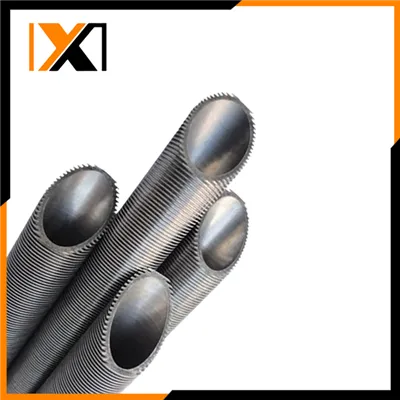
Can titanium corrugated tubes be used in water treatment plants?
As a supplier of titanium corrugated tubes, I am often asked whether these tubes can be effectively used in water treatment plants. In this blog, I will explore the properties of titanium corrugated tubes and evaluate their suitability for various water treatment applications.
Properties of Titanium Corrugated Tubes
Titanium is a remarkable metal known for its exceptional corrosion resistance, high strength - to - weight ratio, and biocompatibility. When formed into corrugated tubes, these properties are further enhanced for specific applications.
Corrosion Resistance
One of the most significant advantages of titanium is its outstanding corrosion resistance. In water treatment plants, water can contain a variety of corrosive substances such as chlorine, sulfuric acid, and various salts. Titanium forms a passive oxide layer on its surface when exposed to oxygen, which protects the underlying metal from further corrosion. This oxide layer is self - healing, meaning that if it is damaged, it will reform quickly in the presence of oxygen. For example, in desalination plants where seawater is processed, the high salt content and the use of chemicals for disinfection can cause severe corrosion to many metals. Titanium corrugated tubes can withstand these harsh conditions, ensuring a long service life and reducing maintenance costs.
High Strength - to - Weight Ratio
Titanium has a high strength - to - weight ratio, which means that titanium corrugated tubes can be relatively thin - walled while still maintaining sufficient strength. This property is beneficial in water treatment plants as it allows for easier installation and reduces the overall weight of the equipment. For large - scale water treatment facilities, where hundreds or even thousands of tubes may be used, the weight savings can be substantial. Additionally, the high strength of titanium enables the tubes to withstand high pressures, which is often required in processes such as reverse osmosis and ultrafiltration.
Heat Transfer Efficiency
The corrugated design of titanium tubes significantly enhances their heat transfer efficiency. In water treatment processes that involve heating or cooling, such as thermal desalination or the use of heat exchangers for water disinfection, efficient heat transfer is crucial. The corrugations increase the surface area of the tube, allowing for more contact between the fluid inside the tube and the tube wall. This results in faster heat transfer rates compared to smooth - walled tubes. Moreover, the turbulent flow created by the corrugations helps to prevent the formation of a stagnant boundary layer, further improving heat transfer performance.
Applications in Water Treatment Plants
Desalination
Desalination is a critical process in many regions where freshwater is scarce. There are two main types of desalination processes: thermal desalination and membrane - based desalination.


In thermal desalination, such as multi - stage flash distillation (MSF) and multi - effect distillation (MED), titanium corrugated tubes can be used in heat exchangers. The high corrosion resistance of titanium allows it to withstand the high - temperature and high - salinity conditions in these processes. The enhanced heat transfer efficiency of the corrugated tubes reduces the energy consumption required for evaporation, making the desalination process more cost - effective.
In membrane - based desalination, such as reverse osmosis (RO), titanium corrugated tubes can be used in the pre - treatment and post - treatment stages. For example, they can be used in heat exchangers to adjust the temperature of the feed water, or in chemical dosing systems where the tubes need to resist the corrosive chemicals used for membrane cleaning and disinfection.
Water Disinfection
Water disinfection is an essential step in water treatment to remove harmful microorganisms. One common method is to use ultraviolet (UV) light for disinfection. Titanium corrugated tubes can be used in UV reactors. The high reflectivity of titanium can help to distribute the UV light more evenly inside the reactor, improving the disinfection efficiency. Additionally, the corrosion resistance of titanium ensures that the tubes can withstand the chemicals used for cleaning the UV lamps and the reactor.
Cooling Systems
Water treatment plants often have cooling systems to maintain the temperature of various equipment. Titanium corrugated tubes can be used in these cooling systems as heat exchangers. Their high heat transfer efficiency allows for effective cooling with a smaller footprint. The corrosion resistance of titanium also ensures that the tubes can last for a long time in the cooling water, which may contain various impurities and chemicals.
Comparison with Other Materials
Stainless Steel
Stainless steel is a commonly used material in water treatment plants. While stainless steel has good corrosion resistance, it is not as resistant as titanium in highly corrosive environments. For example, in seawater applications, stainless steel may suffer from pitting corrosion and crevice corrosion over time. Titanium corrugated tubes, on the other hand, can provide long - term protection against these types of corrosion. Additionally, the heat transfer efficiency of titanium corrugated tubes is generally higher than that of stainless steel tubes due to the unique properties of titanium and the corrugated design.
Copper
Copper is another material that has been used in water treatment. However, copper is more prone to corrosion in the presence of certain chemicals and microorganisms. Titanium corrugated tubes offer better corrosion resistance and are less likely to leach harmful substances into the water. Moreover, the strength of titanium is higher than that of copper, which allows for more robust tube designs and better performance under high - pressure conditions.
Considerations and Challenges
While titanium corrugated tubes have many advantages for water treatment plants, there are also some considerations and challenges.
Cost
Titanium is more expensive than many other metals used in water treatment, such as stainless steel and copper. The higher cost of titanium corrugated tubes may be a deterrent for some water treatment plant operators. However, it is important to consider the long - term cost - effectiveness. The longer service life and lower maintenance requirements of titanium corrugated tubes can offset the initial higher investment over time.
Fabrication and Installation
The fabrication and installation of titanium corrugated tubes require specialized skills and equipment. Titanium is a difficult metal to work with due to its high strength and reactivity at high temperatures. Therefore, it is essential to work with experienced suppliers and installers who have the necessary expertise to ensure the proper installation and performance of the tubes.
Conclusion
In conclusion, titanium corrugated tubes can be effectively used in water treatment plants. Their excellent corrosion resistance, high strength - to - weight ratio, and enhanced heat transfer efficiency make them suitable for a wide range of applications, including desalination, water disinfection, and cooling systems. Although there are some challenges such as cost and fabrication requirements, the long - term benefits of using titanium corrugated tubes often outweigh these drawbacks.
If you are interested in learning more about Titanium Corrugated Tube, Titanium Inner Grooved Tube, or Titanium Pool Boiling Evaporator Tube for your water treatment plant, please feel free to contact us for a detailed discussion and potential procurement. We are committed to providing high - quality titanium tubes and excellent service to meet your specific needs.
References
- ASM Handbook, Volume 2: Properties and Selection: Nonferrous Alloys and Special - Purpose Materials, ASM International.
- "Corrosion of Metals in Water Treatment Systems" by the National Association of Corrosion Engineers (NACE).
- "Heat Transfer in Corrugated Tubes" by various research papers in the field of heat transfer engineering.